



The Remarkable 9 Roles of AKDN in the Development of GB
Introduction
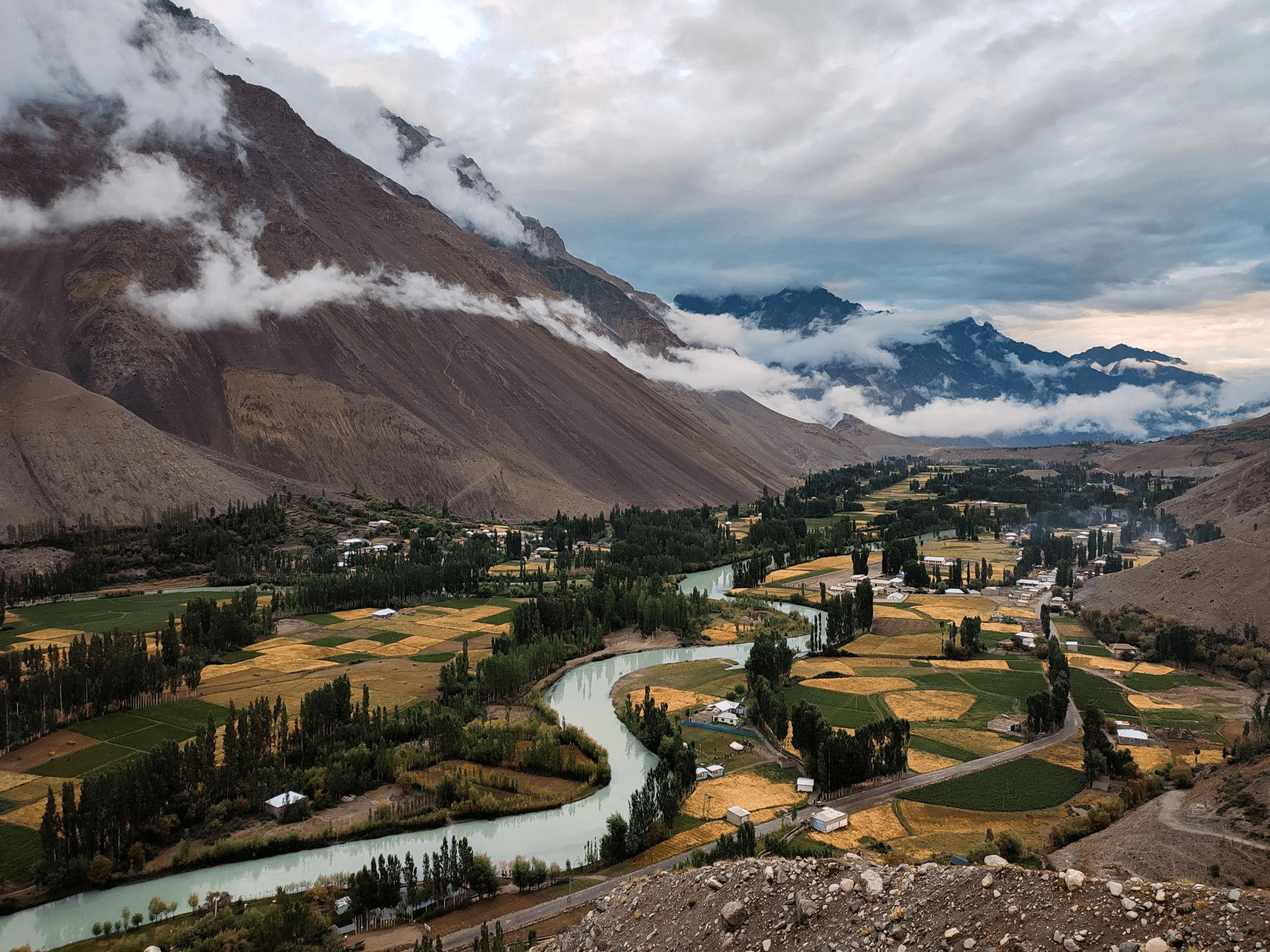
Gilgit-Baltistan is one of the most stunning yet geographically difficult regions in the world. It is bordered by the high peaks of the Karakoram, Himalaya, and Hindu Kush mountain ranges, making it a place of incredible natural beauty, deep valleys, and a rich cultural history. However, this remarkable landscape has also been accompanied by a long-standing struggle with development.
For many years, the people living in Gilgit-Baltistan encountered serious challenges in accessing basic services.
The difficult terrain, vast distances between villages, and lack of proper infrastructure made it very hard to provide reliable education, healthcare, and economic chances. In particular, many remote communities remained cut off, especially during the cold winters when roads were often closed.
Despite these obstacles, the region has gone through major changes in recent decades.
There has been an expansion of schools, improvement in healthcare, and increased connectivity among local communities. A major factor in this progress has been the Aga Khan Development Network (AKDN), which has played a significant role in the region through a development model that is centered around the needs of the community.
AKDN’s efforts in Gilgit-Baltistan are not limited to a single area.
The organization works across a wide range of sectors, including education, healthcare, rural development, infrastructure, women’s empowerment, cultural protection, and economic growth. Its strategy emphasizes long-term sustainability and the active involvement of the local community rather than just offering short-term assistance.
This article provides a detailed look at how AKDN has contributed to the development of Gilgit-Baltistan and how its various programs have helped shape the region’s current situation and future prospects.
The Roles of AKDN in Historical Background of Gilgit-Baltistan
Before modern development efforts reached Gilgit-Baltistan, the lives of its people were largely determined by the natural environment and local traditions.
The region’s rugged mountainous terrain made it extremely difficult to move people or goods between different parts of the area. Most communities lived in small, isolated villages, often separated by rivers, glaciers, and high mountain passes.
Access to education was very limited, and when it existed, it was mostly informal.
Many children did not have the opportunity to attend schools, leading to low literacy levels in several distant parts of the region. Families primarily relied on farming and raising animals for survival, with few opportunities to engage with outside markets or broader economic activities.
Healthcare was another major challenge.
There were very few hospitals or qualified medical professionals to serve the population. In many cases, people turned to traditional healing methods or had to travel long distances to receive treatment, which was not always feasible, especially in emergencies.
The region’s infrastructure was also poorly developed.
Roads were narrow and often unpaved, and they were frequently blocked by landslides or heavy snowfall. Communication links were limited, making it hard for communities to stay connected with larger towns and cities.
Under these conditions, development occurred slowly and unevenly.
However, the arrival of structured development programs, especially those supported by AKDN, brought about significant changes and marked a turning point for the region.
AKDN’s approach differed from traditional development models.
Rather than focusing only on physical improvements, it emphasized human development, enhancing local capacities, and involving communities actively in the process. This approach helped to lay the groundwork for sustainable and long-term change in the region.
The Roles of AKDN in Transformation of Education in Gilgit-Baltistan
Education has been one of the most impactful areas of change in Gilgit-Baltistan.
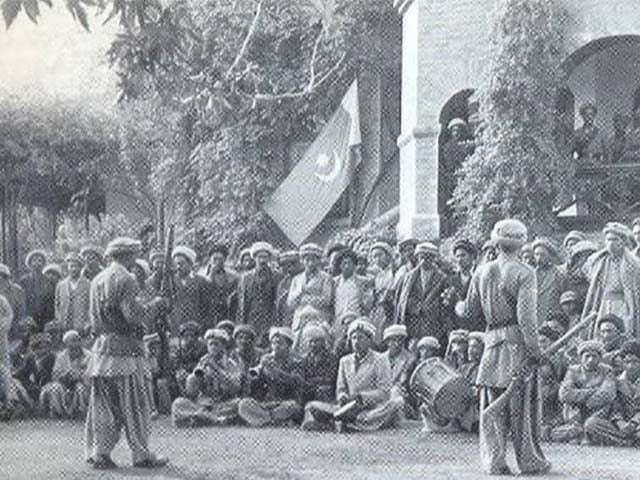
In the past, education was not widely accessible, especially in remote valleys. Many children had to travel long distances to reach schools, and in some areas, there were no schools at all.
AKDN-supported education programs helped address these issues by setting up schools in previously underserved areas.
These schools represented more than just physical buildings—they symbolized a new approach to learning that prioritized quality, accessibility, and inclusiveness.
Modern teaching methods were introduced, and trained teachers were brought in to enhance the learning environment.
Teacher training programs played an essential role in improving the overall quality of education. Educators were encouraged to use interactive methods, better teaching tools, and focus on learning that centered around the students’ needs.
One major achievement in education has been the increased enrollment of girls.
In many traditional settings, girls had limited access to schooling. However, through awareness campaigns and community involvement, families began to recognize the value of educating their daughters. This change has had lasting social impacts, as educated women have made significant contributions to health, education, and economic stability within their communities.
Over time, many students from Gilgit-Baltistan have pursued higher education at national and international institutions.
They have become doctors, engineers, teachers, and professionals in various fields. This progress has helped create a generation of skilled individuals who are contributing back to society in meaningful ways.
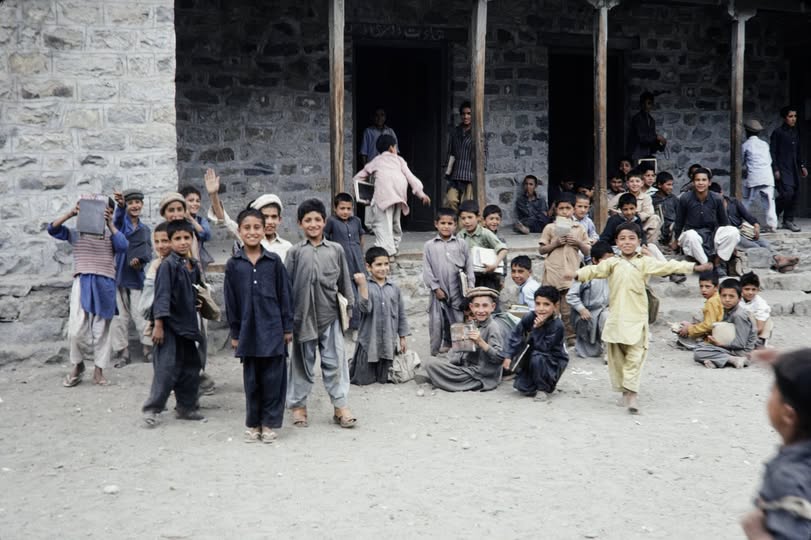
Schools Before AKDN
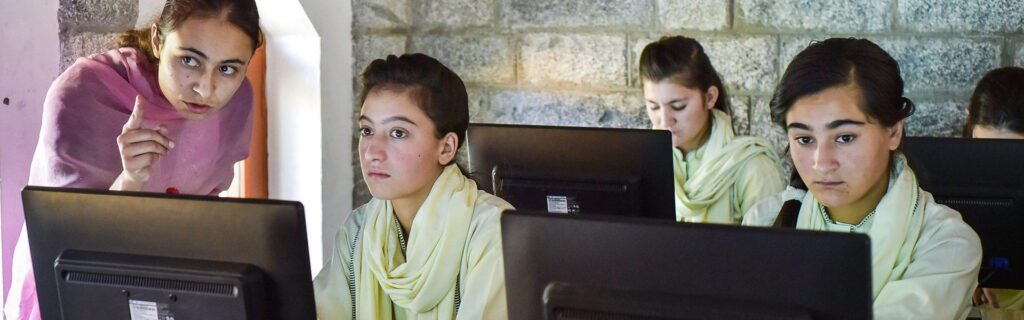
Todays Schools
Roles of AKDN Improvement in Healthcare Services
Healthcare in Gilgit-Baltistan has seen substantial improvements, though challenges still exist.
In the past, medical facilities were scarce, and communities had very few trained healthcare providers.
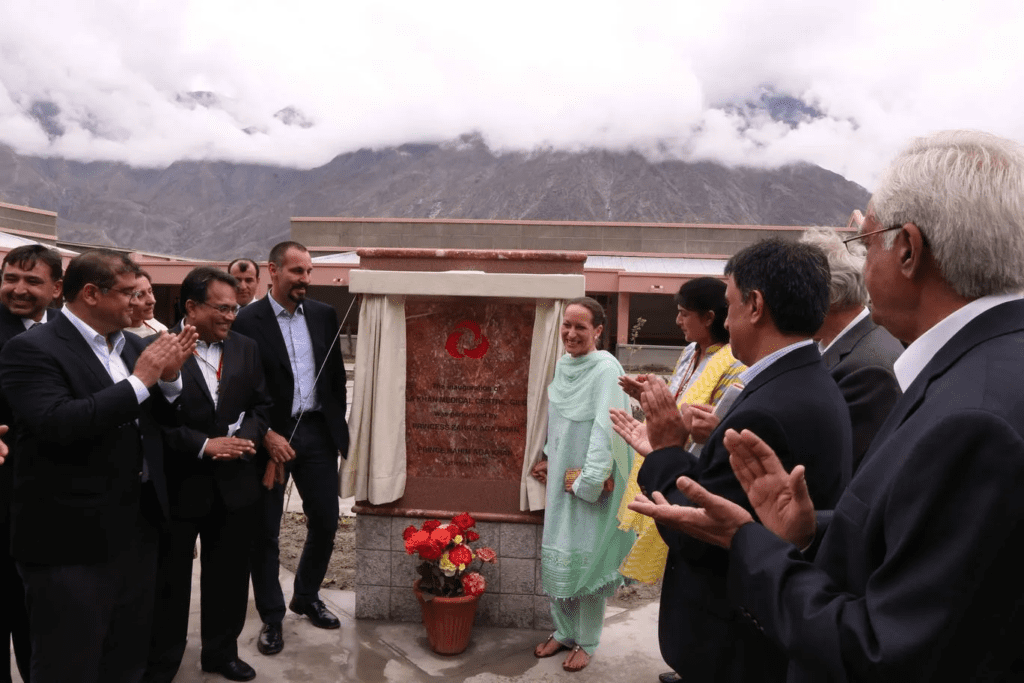
AKDN-supported health initiatives helped tackle these problems by establishing clinics, hospitals, and community health centers across the region.
These facilities provided essential medical care, particularly in remote areas where healthcare had not previously been available.
Preventive healthcare became a key focus.
Instead of only treating illnesses, programs were introduced to educate people about hygiene, nutrition, and disease prevention. Community health workers played an important role in informing families about vaccinations, maternal care, and child health.
Maternal and child health programs have had a particularly positive impact.
Pregnant women and young children, who are often the most vulnerable, have benefited from improved healthcare services and awareness efforts. This has contributed to the reduction of preventable diseases and better overall health outcomes.
Despite these improvements, healthcare in remote areas still faces obstacles such as limited access, shortages of trained staff, and inadequate infrastructure.
However, the progress made in recent years has significantly transformed the healthcare landscape in the region.
The Role of AKDN in Rural Development and Agricultural Progress
Agriculture continues to be a vital part of the economy in many areas of Gilgit-Baltistan.
However, the challenging mountainous landscape brings special difficulties for farming, such as a shortage of suitable land for crops, limited water supply, and harsh weather patterns.
AKDN has introduced various programs that aim to enhance agricultural production and improve the livelihoods of rural people.
Farmers have been taught new farming techniques, including more efficient irrigation systems, growing a variety of crops, and using sustainable farming methods.
Managing water resources has been a key project.
In this region, where there is a lot of water but it is hard to control due to the rugged terrain, efficient irrigation has helped increase crop yields and reduce wasted water.
Farming fruits like apples, apricots, and cherries has become a major source of income for many families.
With better farming methods, farmers have been able to grow more and better quality fruits, allowing them to reach better markets.
These improvements in agriculture have not only improved food supply but also brought greater economic stability to rural areas.
Role of AKDN on Empowerment of Women
Helping women gain more power has been a major focus of development in Gilgit-Baltistan.
In the past, women had limited access to education and job opportunities. But this situation has started to change.
Education has been a big part of this change.
As more girls go to school and continue their studies, they are entering professional fields like teaching, nursing, and public service.
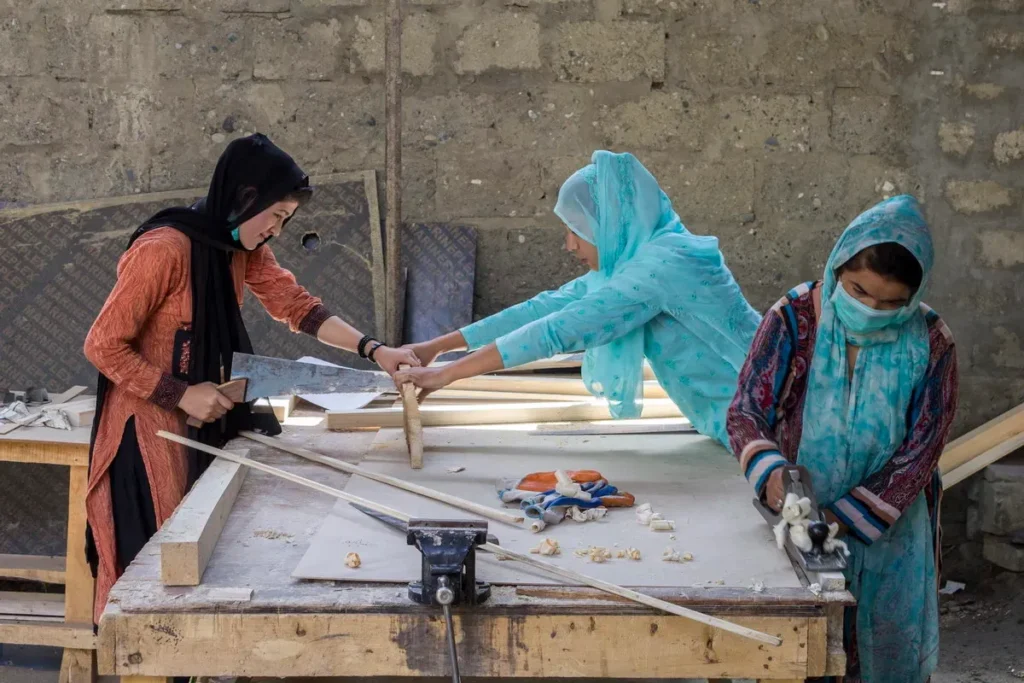
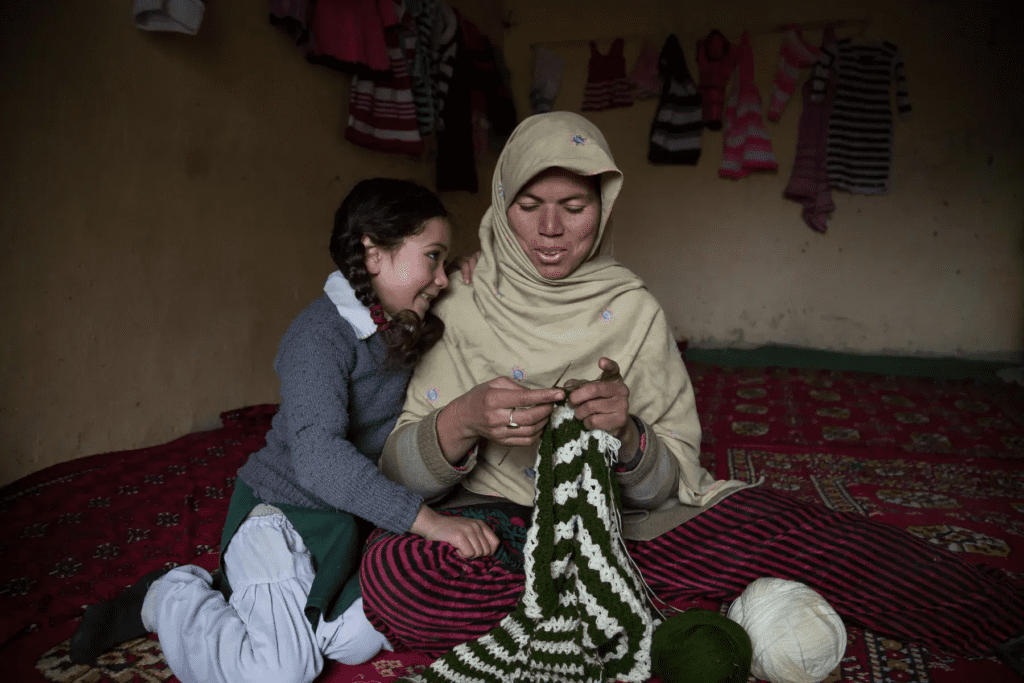
Community-based programs have also helped women develop skills in areas such as small business, crafts, and managing businesses.
These activities have given women more financial independence and a better chance to contribute to their families’ incomes.
In many places, women are now playing active roles in making decisions.
They are part of local groups, development teams, and social programs. This increased involvement has made community development stronger as a whole.
Even though progress is happening, more work is needed to ensure women have equal opportunities everywhere in the region.
Role of AKDN in Community-Based Development Approach
One of the most important things about AKDN’s work is its focus on involving local communities in development.
Rather than bringing in outside solutions, they work with residents to understand problems and find answers.
Local groups and committees are central to planning and carrying out development work.
This ensures that projects suit local needs and respect the community’s culture.
This method also gives people a sense of ownership.
When they are involved in development, they are more likely to help keep the projects going long-term.
Because of that, many projects that were started years ago are still working well today.
Infrastructure Development and Connectivity
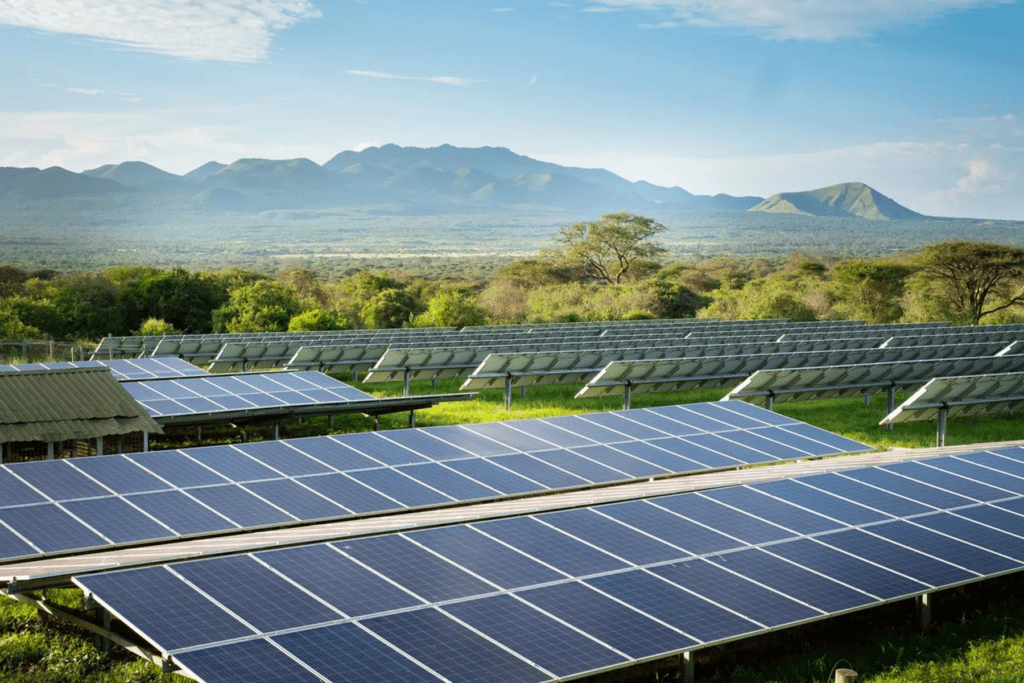
Improving infrastructure has been key to making communication easier in Gilgit-Baltistan.
Better roads, bridges, and communication systems have helped people get to schools, hospitals, and markets.
Building and repairing roads has made travel between villages and towns faster.
This has also helped trade and tourism, which are growing in the area.
Good infrastructure has also improved emergency help, especially for medical situations where quick arrival is important.
Still, because of the tough terrain, developing and maintaining infrastructure is a constant challenge that needs ongoing support and investment.
Role of AKDN in Preservation of Culture and Heritage
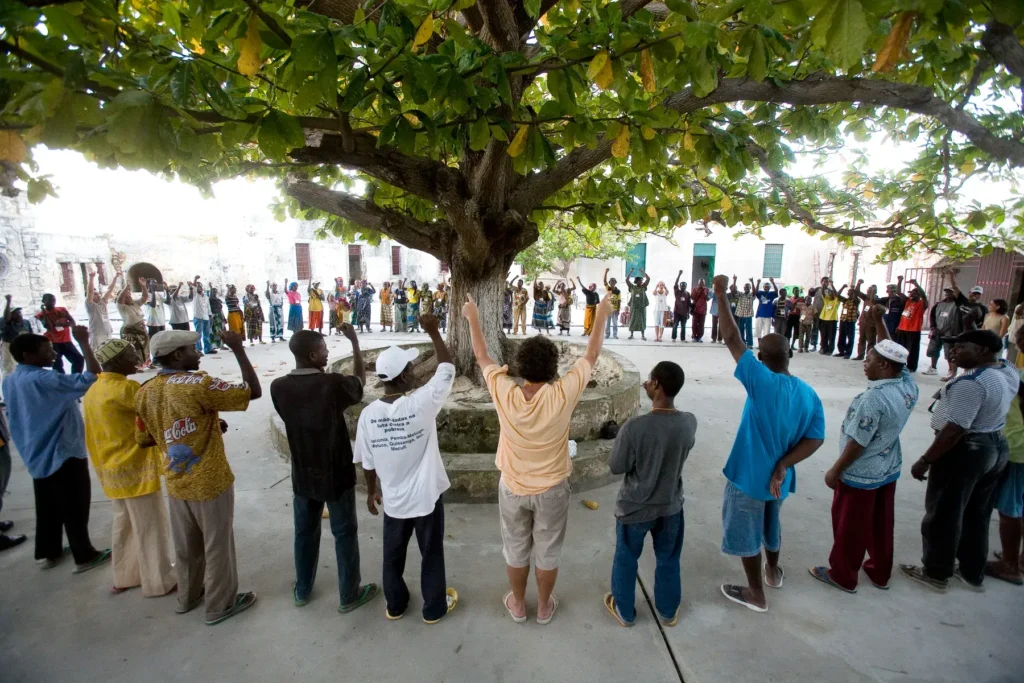
Gilgit-Baltistan has a rich cultural history shaped by many civilizations over the centuries.
The region has unique languages, traditions, music, and architecture that show its diverse past.
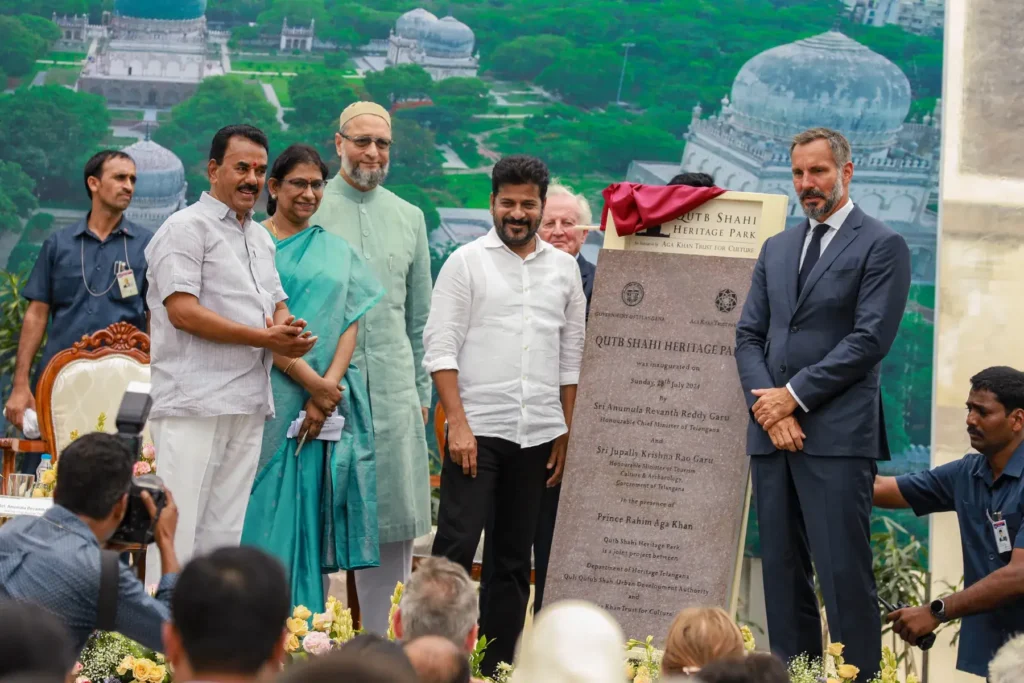
Efforts are being made to keep this cultural identity alive through recording traditions, restoring old sites, and promoting local customs.
Keeping culture alive is important for people’s sense of identity and also for tourism.
Visitors are attracted not just by natural beauty, but also by the region’s rich cultural heritage.
By protecting their heritage, communities ensure that future generations stay connected to their history.
Role of AKDN Economic Development and Tourism Growth
Tourism is becoming a major part of the economy in Gilgit-Baltistan.
The natural beauty of the region attracts many visitors each year, bringing in local income and jobs.
Improved roads and better infrastructure have made it easier for tourists to explore remote valleys.
This has led to the growth of hotels, lodges, transportation services, and local businesses.
Small businesses and entrepreneurs have benefited from this growth.
Handmade goods, local foods, and tour guiding have become important sources of income for many families.
Economic development projects have encouraged more variety in the economy, helping reduce reliance on traditional farming.
The Role of AKDN in Challenges and Ongoing Issues
Despite significant progress, Gilgit-Baltistan still faces several challenges.
Uneven development remains a concern, with some areas growing faster than others.
Remote communities continue to face problems like lack of basic services, limited healthcare access, and fewer job opportunities.
Climate change also brings risks, such as melting glaciers, landslides, and unpredictable weather patterns.
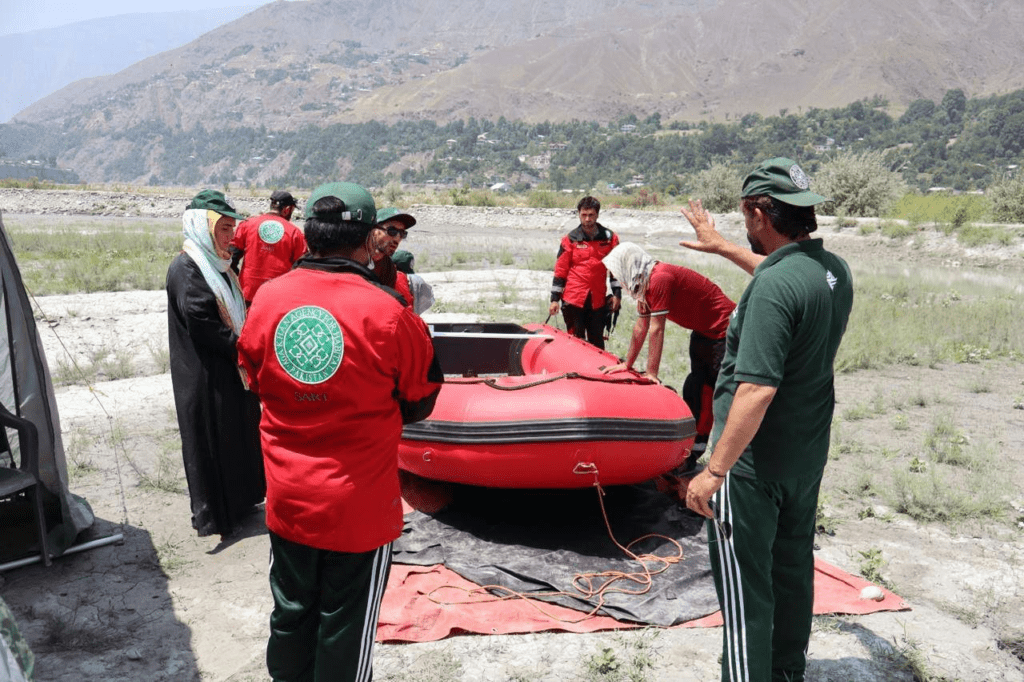
Development is an ongoing process, and long-term success depends on the cooperation between government bodies, development agencies, and local communities.
Conclusion
The progress in Gilgit-Baltistan is the result of many years of effort by different groups, including local people, government agencies, and organizations like AKDN.
Through its focus on education, healthcare, rural development, women’s empowerment, and community participation, AKDN has played an important role in transforming the region.
Although challenges remain, the progress so far is clear in the better quality of life, more access to services, and increased job opportunities.
As Gilgit-Baltistan keeps developing, the work done so far will continue to support its future growth and stability.

Follow Us On Facebook: Gilgit Global Review