






1.Introduction
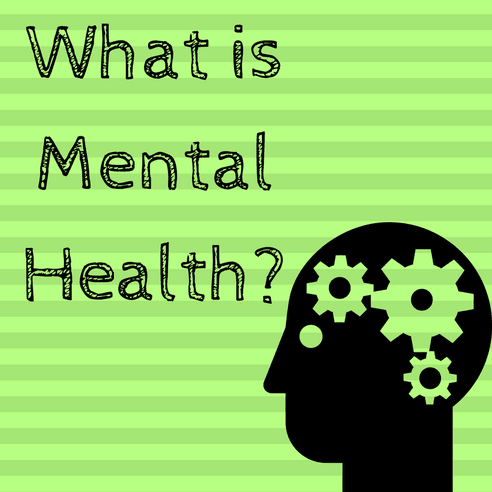
Improve mental health is essential for living a balanced and fulfilling life. It is something everyone talks about, but not everyone truly understands. It is not just about feeling “happy” all the time; rather, it includes how you think, how you handle stress, how you make decisions, and how you deal with everyday life challenges.
In today’s world—especially for students—mental pressure is increasing. Academic competition, social media, family expectations, and uncertainty about the future all add up. Many people don’t even realize that small daily habits can make a huge difference in their mental well-being.
The good news is that improving mental health does not always require big changes or expensive solutions. Science shows that simple daily habits—when done consistently—can reshape how your brain responds to stress, emotions, and motivation.
In this blog, we will explore 8 powerful science-backed habits that improve mental health naturally. These are practical, realistic, and easy to apply in daily life, especially for students in busy environments.

Why it works (science perspective)
Your brain is highly sensitive in the morning. When you immediately check social media or messages, it triggers dopamine spikes and stress responses. A calm routine helps regulate cortisol (stress hormone) and improves focus.
Real-life impact
Students who follow a stable morning routine often report:
- Better concentration in class
- Less anxiety during the day
- Improved productivity
Even something as small as making your bed can signal your brain that the day has started with order and control.
2.Get Enough Quality Sleep (Not Just Hours)
Improve mental health starts with simple daily habits, and sleep is one of the most underrated mental health tools. Many people think sleeping late and waking up early is normal, especially students. But poor sleep directly affects mood, memory, and emotional control. According to the World Health Organization (WHO), mental health is a key part of overall well-being and is strongly influenced by lifestyle factors such as sleep and daily routine. https://www.who.int/news-room/fact-sheets/detail/mental-health-strengthening-our-response
What quality sleep means:
- 7–9 hours of sleep for most people
- Sleeping and waking at consistent times
- Reducing screen time before bed
- Sleeping in a dark, quiet environment
Why it matters
During sleep, your brain processes emotions and stores memories. Without enough rest, emotional regulation becomes weak. This is why people feel irritated, anxious, or sad after poor sleep.
Effects on mental health:
- Increased stress levels
- Reduced attention span
- Higher risk of anxiety and low mood
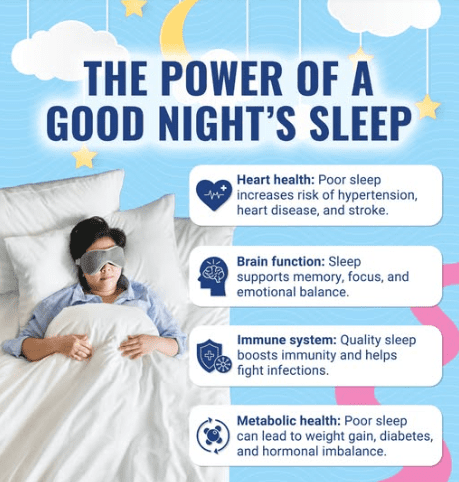
A well-rested brain is more stable, patient, and emotionally strong.
3. Practice Daily Physical Activity

Exercise is not only for the body—it is one of the most effective ways to improve mental health and reduce mental stress.
You don’t need a gym. Even simple activities work to improve mental health, such as:
- Walking for 20–30 minutes
- Cycling
- Stretching exercises
- Light home workouts
How exercise helps to improve mental health
When you move your body, it helps improve mental health by releasing chemicals like:
- Endorphins (natural mood boosters)
- Dopamine (motivation and reward)
- Serotonin (emotional balance)
These changes help improve mental health by:
- Reducing anxiety and stress
- Improving self-confidence
- Enhancing focus and memory
Mental benefits:
Even a short walk in fresh air can improve mental health, especially when done regularly as part of your daily routine.ly in natural environments like mountains or riversides—can significantly calm your mind.
4. Limit Social Media Consumption

Social media is powerful, but it can quietly harm mental health if not controlled. Many people compare their lives with others online, leading to stress, insecurity, and low self-esteem.
Excessive social media use can negatively affect efforts to improve mental health.
Problems caused by excessive social media:
- Constant comparison with others
- Reduced attention span
- Fear of missing out (FOMO)
- Sleep disruption
Healthy habits to improve mental health:
- Set time limits (1–2 hours daily)
- Avoid scrolling before bed
- Unfollow accounts that cause negativity
- Use social media intentionally, not habitually
Why it works
Your brain is not designed for endless stimulation. Reducing digital overload helps your mind reset and improves emotional stability.
5. Build Strong Real-Life Connections

Human beings are social by nature. One of the strongest predictors of good mental health is meaningful relationships.
What this includes:
- Talking to friends or family regularly
- Sharing thoughts instead of keeping everything inside
- Spending time with supportive people
- Avoiding toxic relationships
Psychological impact:
When you connect with others, your brain releases oxytocin—a hormone linked to trust and emotional bonding. This reduces stress and increases happiness.
Important truth:
You don’t need many friends. You need a few real, supportive connections.
Even a short daily conversation with someone you trust can significantly improve emotional well-being.
6. Eat a Balanced and Healthy Diet

Food has a direct impact on how your brain functions. What you eat affects your mood, energy levels, and focus.
Brain-friendly foods:
- Fresh fruits and vegetables
- Nuts and seeds
- Whole grains
- Plenty of water
Foods to reduce:
- Excess junk food
- Too much sugar
- Highly processed snacks
Connection between diet and mental health:
Your gut and brain are deeply connected. Poor diet can increase fatigue and mood swings, while healthy food supports stable emotions and better thinking.
Even small changes—like drinking more water or eating one healthy meal per day—can make a difference.
7. Practice Gratitude and Positive Thinking

Gratitude is a simple but powerful habit that can help improve mental health. It means focusing on what you have instead of what you lack.
How to practice gratitude to improve mental health:
- Write 3 things you are thankful for every day
- Appreciate small wins
- Reflect on positive moments before sleeping
Why it works to improve mental health:
Your brain naturally focuses on problems and threats, but practicing gratitude helps improve mental health by retraining it to notice positive experiences more often.
Mental health benefits:
Practicing gratitude regularly can improve mental health by:
- Reducing stress and anxiety
- Improving emotional resilience
- Increasing life satisfaction
Even on difficult days, there is always something small to appreciate—a meal, a conversation, or a peaceful moment.
8. Learn to Manage Stress in Healthy Ways
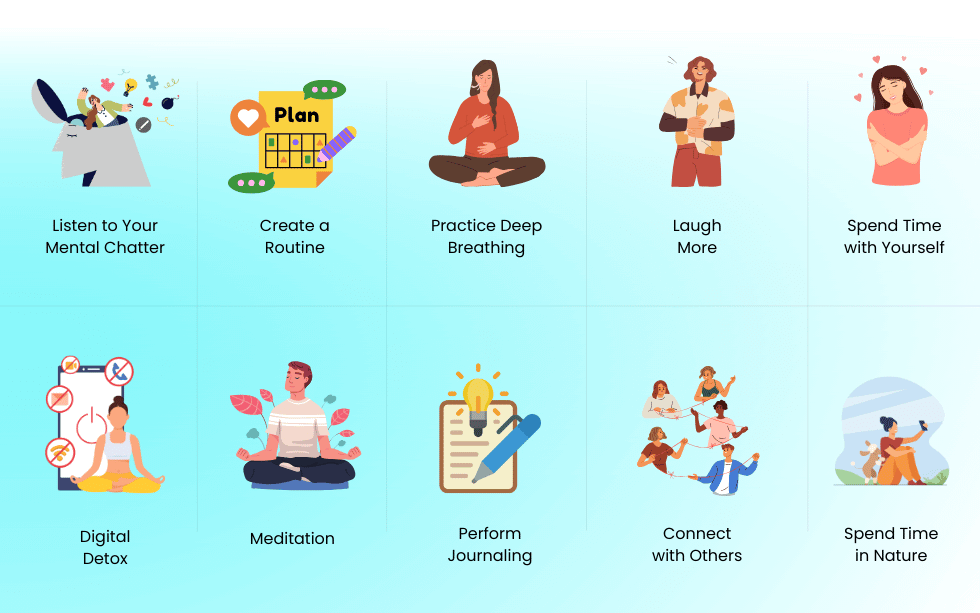
Stress is unavoidable, but how you handle it makes all the difference.
Unhealthy coping methods:
- Overthinking
- Isolation
- Excessive screen time
- Ignoring problems
Healthy stress management techniques:
- Deep breathing exercises
- Journaling thoughts
- Talking to someone
- Taking short breaks during study
- Spending time in nature
Simple breathing technique:
Inhale for 4 seconds → hold for 4 seconds → exhale for 6 seconds.
This activates the body’s relaxation response and reduces anxiety quickly.
Why this matters:
Managing stress properly prevents burnout and keeps your mind stable even in difficult situations.
Conclusion
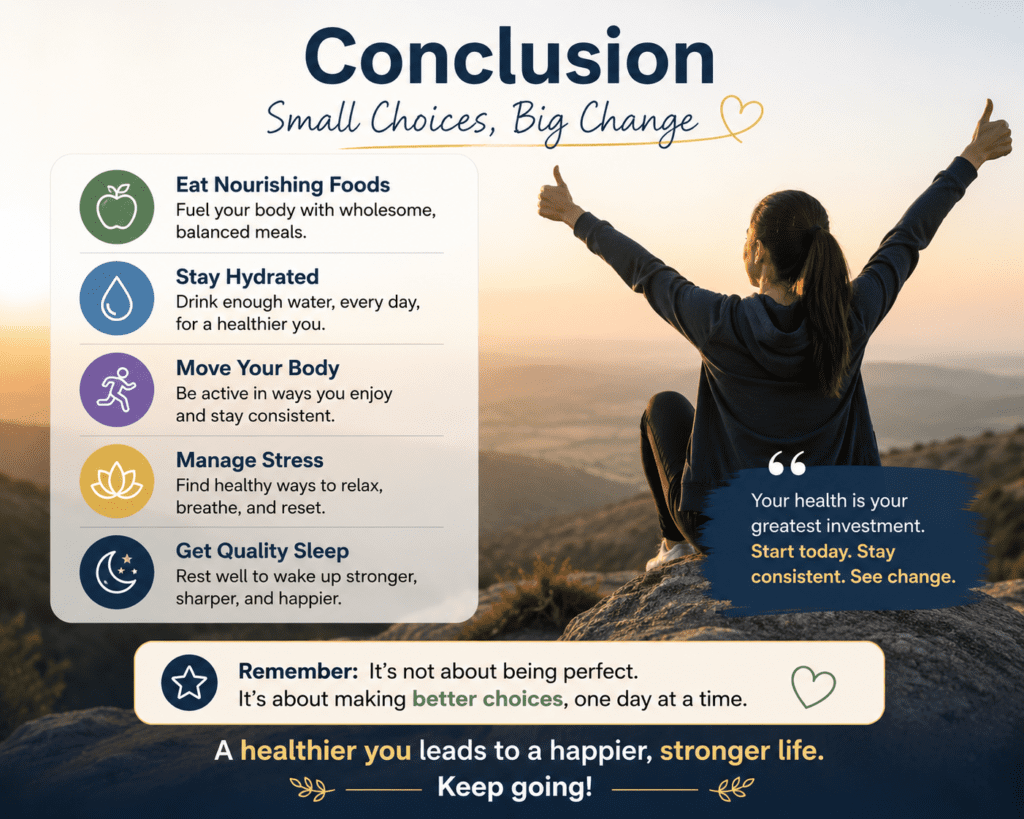
Improving mental health is not about perfection. It is about consistency. Small daily habits, when practiced over time, can completely transform how your mind works.
To summarize, these 8 habits are:
- Morning routine
- Quality sleep
- Physical activity
- Limiting social media
- Strong relationships
- Healthy diet
- Gratitude practice
- Stress management
You don’t need to start everything at once. Even choosing 2–3 habits and sticking to them can make a noticeable difference in your mood, focus, and overall well-being.
Mental health is not a destination—it is a daily practice.
And the earlier you start building these habits, the stronger and more balanced your mind will become in the future.
If you want to learn more about development, education, and community support in Gilgit-Baltistan, you can also read my post on AKDN (Aga Khan Development Network). It explains how AKDN plays an important role in improving health, education, and quality of life in the region.

Very helpful
supercalifragilisticexpialidocious author
Good work a had .